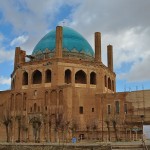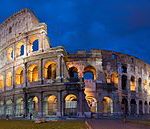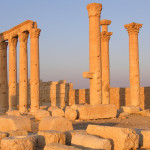
We believe that all cultural, historical and natural heritage, wherever they are should be preserved. LEARN MORE
Education

Shushtar Historical Hydralic Systems

Shushtar

Our Heritage activists (Iran / Branch) are reporting that the Shushtar historical hydraulic systems are in danger of major deterioration and destruction.  The site which was inscribed in 2009 as a “historical hydraulic masterpiece of creative genius” by UNESCO is an Iranian national heritage site and can be traced back to Darius the Great in the 5th century B.C.   It involved the creation of two main diversion canals on the river Kârun one of which, Gargar canal, is still in use providing water to the city of Shushtar via a series of tunnels that supply water to mills. It forms a spectacular cliff from which water cascades into a downstream basin. It then enters the plain situated south of the city where it has enabled the planting of orchards and farming over a vast area known as Mianâb (Paradise). The property has an ensemble of remarkable sites including the Salâsel Castel, the operation centre of the entire hydraulic system, the tower where the water level is measured, damns, bridges, basins and mills.

It is believed by international experts; engineers and archeologists that the Sassanid engineers had created a structure that was a masterpiece.  The river was channeled to form a moat around the city, while bridges and main gates into Shushtar were built to the east, west, and south. Several rivers nearby are conducive to the extension of agriculture and the cultivation of sugar cane. A system of subterranean channels called Ghanats, connected the river to the private reservoirs of houses and buildings, and supplied water for domestic use and irrigation, as well as to store and supply water during times of war when the main gates were closed. Traces of these ghanats can still be found in the crypts of some houses. This complex system of irrigation degenerated during the 19th century. 

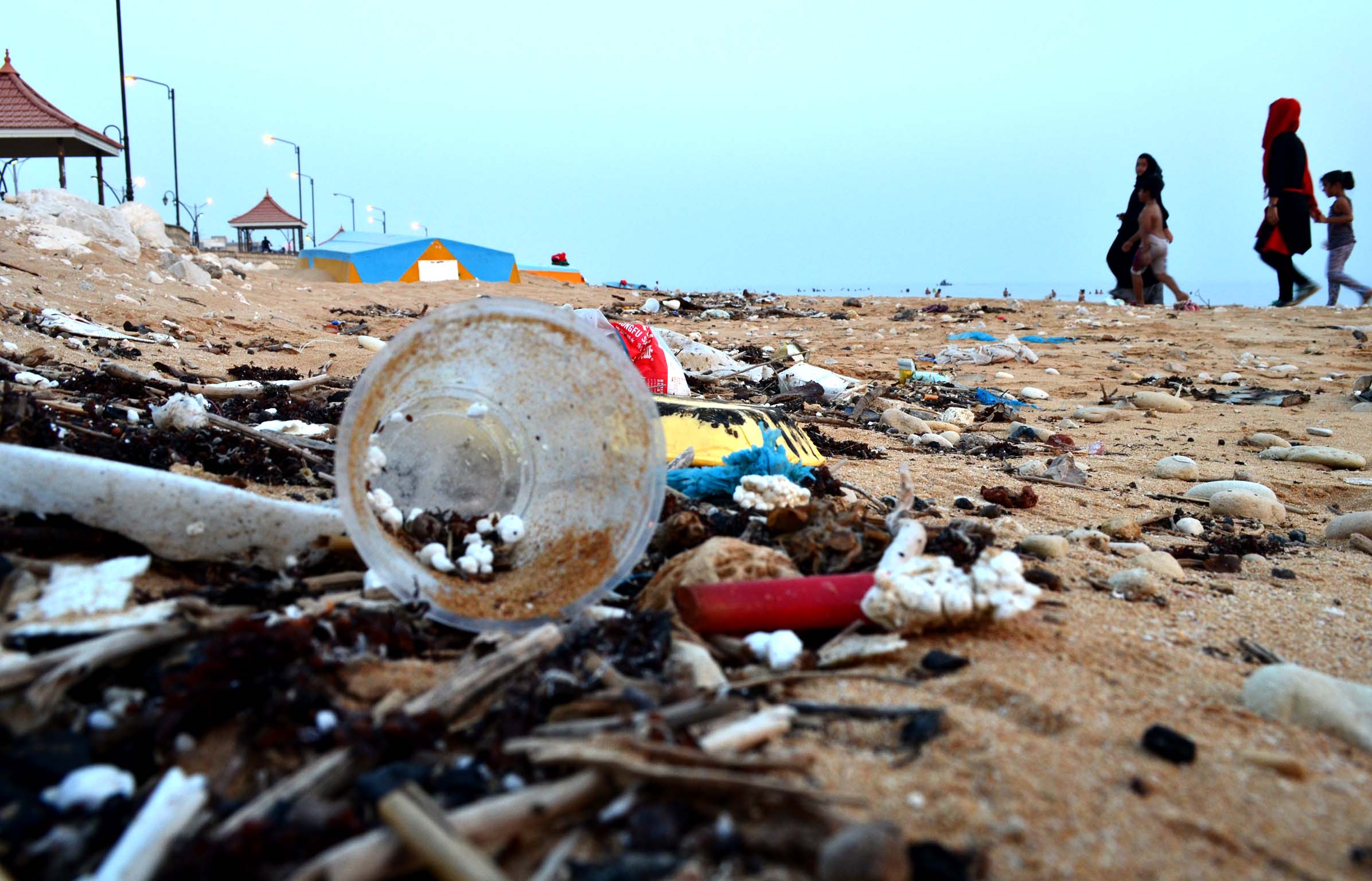
Over the last ten years, neglect of the cultural heritage in Iran has escalated and has impacted many historical and heritage sites and in the case of Shushtar Historical Hydraulic Systems, UNESCO demanded (in April 2011) that Iranian government submit explanations regarding the situation following the collapse of a portion of the Gargar Bridge at the Shushtar’s ancient water system. 

An Innovative New Way of Teaching Archeology

virtualProfessor Maurizio Forte of Duke University has managed to make archeology more interesting to many students who normally, perhaps, would not be taking archeology classes.  However, Forte’s new approach is now attracting new students with backgrounds in computer science, environmental sciences as well as arts and architecture.  Using satellite photos and high-tech imaging technology Forte and his class take a look at the remains of a Roman villa hidden below ground. Using this remote data, students are creating a virtual replica of the building.

Forte and his class work in an Immersive Virtual Environment facility where they can examine virtual ruins in Turkey, China, Italy and elsewhere. This way, they can virtually bring ancient civilizations back to life, and simulate them with an unusual level of detail and accuracy but at the same time making the distinction between re-creating the site/community and simulating it.  Forte and his students apply their knowledge of these ancient places and peoples while learning more about the design as well as how people lived.

Professor Forte believes that technology used in innovative ways can be a catalyst for new ideas and by combining the talents of people with different backgrounds and approaches it is possible to share knowledge and take a different approach to teaching archeology.

With permission from PastHorizons.

Threats to Archaeological Sites in Egypt

Temple of Amun

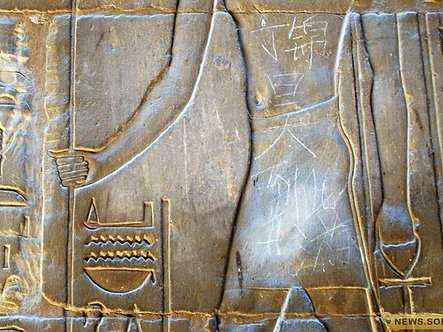
In March 2013, a visit to Cairo by UNESCO Director General, Irina Bokova, highlighted major concerns about the new threats to archeological sites in Egypt.  It has become very clear that over the last six months many of Egypt’s national heritage sites, especially Dahshur in Giza and Tel Al-Amarna in Minya have been vandalized. 

During this trip, various projects that have been funded and supported by UNESCO were discussed and new action plans are being created.  These new projects include the construction of the National Museum for Egyptian Civilization (NMEC) in the Fustat area in Old Cairo and the Historic Cairo Rehabilitation Project (HCRP). In addition, there have been talks about establishing a regional center for World Heritage in Cairo focusing on Africa, which according to the officials will help African countries to protect their archeological sites listed on the World Heritage List as well as providing training for African archeologists and curators.

The Egyptian officials said that UNESCO did not threaten to remove Egypt’s sites from the World Heritage List but have listed many concerns about these sites.  These officials also stated that the government has now issued over fifty four urgent declarations.

Celebrating World Heritage Day on April 18th


It has been 30 years since the Executive Committee and the General Conference of UNESCO approved to name April 18th, the World Heritage Day. The proposal was made by the International Council on Monuments and Sites (ICOMOS) to celebrate and promote World Heritage sites.

UNAM


It is generally believed that the World Heritage sites are shared wealth by all citizens of the world and they have to be preserved and protected from destruction. This special day offers a global opportunity to raise public awareness and educate the public on the related issues.

To promote the universal concept of World Heritage, ICOMOS has suggested some ideas on how to celebrate World Heritage Day, some of these include:

  • Visits to monuments and sites, and restoration works, possibly with free admission
  • Articles in newspapers and magazines, as well as television and radio broadcasts
  • Inviting local and foreign experts and personalities for conferences and interviews
  • Organizing discussions in cultural-centers, city halls, and other public spaces
  • Exhibitions (photos, paintings, etc)
  • Publication of books, post-cards, stamps, posters
  • Awarding prizes to organizations or persons who have made an outstanding contribution to the conservation and promotion of cultural heritage or produced an excellent publication on the subject.
  • Inaugurate a recently restored monument
  • Special awareness raising activities amongst school children and youth
  • Promotion of ‘twinning’ opportunities between organizations, defining areas for co-operation; exchange of speakers; organization of meetings and seminars, or the editing of joint publications.