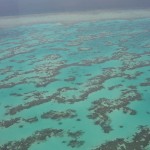
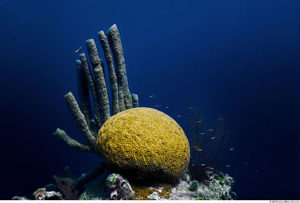
 It was just reported earlier today by BBC that UNESCO has removed the Belize Barrier Reef from its list of endangered World Heritage Sites after nine years. It said that the government of the Central American country has taken “visionary” steps to preserve its coral Barrier Reef from further damage. The Belize Barrier Reef is the second largest in the world after Australia’s Great Barrier Reef and it is home to many threatened species including marine turtles, manatees and the American marine crocodile.
UNESCO added the reef to its list of world heritage sites in 1996 but it was in danger in 2009 following plans by the Belize government to allow oil exploration in nearby waters. UNESCO has been urging Belize to put safeguards in place to protect what Charles Darwin described as “the most remarkable reef in the West Indies”.
In 2012, Environmentalists organized an informal referendum in which 96% of those who took part voted against offshore oil activity. Just last year, in December 2017, lawmakers passed a landmark moratorium on oil exploration in Belizean waters, which makes it one of only a handful of countries in the world with such legislation.
At UNESCO’s meeting earlier this month, in Bahrain, UNESCO praised Belize’s “visionary plan to manage the coastline”, saying that “the level of conservation we hoped for has been achieved”. This is a remarkable step for Belize which hoped that the country’s oil revenue would greatly help the economy in a country where the standard of living among many people is still low. The decision came just under a year after UNESCO opted not to place the Great Barrier Reef on its “in danger” list, arguing that Australia had taken action to preserve it too.