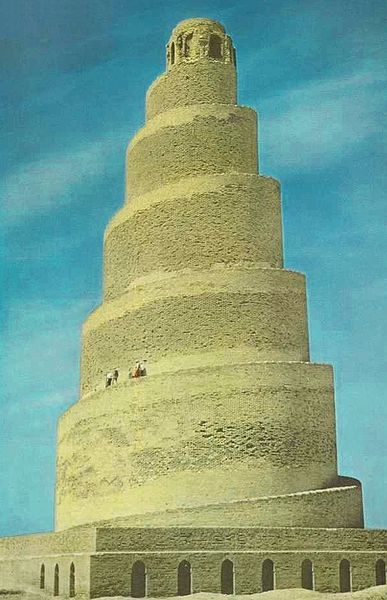
We believe that all cultural, historical and natural heritage, wherever they are should be preserved. LEARN MORE
Festivals

International Nowruz Day 2023

What is Nowruz and why do we celebrate it?
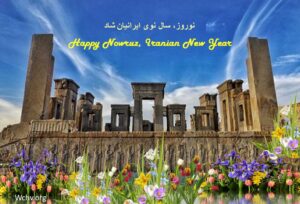
The word Nowruz (Novruz, Navruz, Nooruz, Nevruz, Nauryz), means new day; its spelling and pronunciation may vary by country.

Nowruz marks the first day of spring and is celebrated on the day of the astronomical vernal equinox, which usually occurs on 21 March. It is celebrated as the beginning of the new year by more than 300 million people all around the world and has been celebrated for over 3,000 years in the Balkans, the Black Sea Basin, the Caucasus, Central Asia, the Middle East and other regions.

Inscribed in 2009 on the Representative List of the Intangible Cultural Heritage of Humanity as a cultural tradition observed by numerous peoples, Nowruz is an ancestral festivity marking the first day of spring and the renewal of nature. It promotes values of peace and solidarity between generations and within families as well as reconciliation and neighbourliness, thus contributing to cultural diversity and friendship among peoples and different communities.

Nowruz plays a significant role in strengthening the ties among peoples based on mutual respect and the ideals of peace and good neighbourliness. Its traditions and rituals reflect the cultural and ancient customs of the civilizations of the East and West, which influenced those civilizations through the interchange of human values.

Celebrating Nowruz means the affirmation of life in harmony with nature, awareness of the inseparable link between constructive labour and natural cycles of renewal and a solicitous and respectful attitude towards natural sources of life.

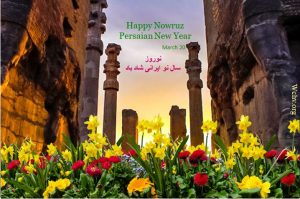
Happy New Year 2023!

Dear Friends, and Supporters of World Cultural Heritage Voices.

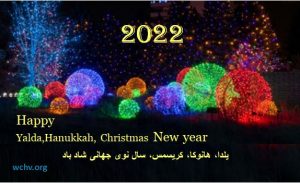
On behalf of our colleagues and volunteers at WCHV, and on the occasion of the Global New Year of 2022, we would like to extend our regards and best wishes for a Happy New Year.  Thank you for your support of WCHV, which has been so instrumental in achieving our goals and mission.

International Nowruz Day 21 March, 2022

What is Nowruz and why do we celebrate it?

The word Nowruz (Novruz, Navruz, Nooruz, Nevruz, Nauryz), means new day; its spelling and pronunciation may vary by country.

Nowruz marks the first day of spring and is celebrated on the day of the astronomical vernal equinox, which usually occurs on 21 March. It is celebrated as the beginning of the new year by more than 300 million people all around the world and has been celebrated for over 3,000 years in the Balkans, the Black Sea Basin, the Caucasus, Central Asia, the Middle East and other regions.

Inscribed in 2009 on the Representative List of the Intangible Cultural Heritage of Humanity as a cultural tradition observed by numerous peoples, Nowruz is an ancestral festivity marking the first day of spring and the renewal of nature. It promotes values of peace and solidarity between generations and within families as well as reconciliation and neighbourliness, thus contributing to cultural diversity and friendship among peoples and different communities.

Nowruz plays a significant role in strengthening the ties among peoples based on mutual respect and the ideals of peace and good neighbourliness. Its traditions and rituals reflect the cultural and ancient customs of the civilizations of the East and West, which influenced those civilizations through the interchange of human values.

Celebrating Nowruz means the affirmation of life in harmony with nature, awareness of the inseparable link between constructive labour and natural cycles of renewal and a solicitous and respectful attitude towards natural sources of life.
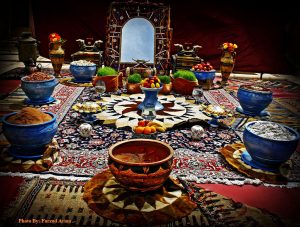
Background

International Nowruz Day was proclaimed by the United Nations General Assembly, in its resolution A/RES/64/253 of 2010, at the initiative of several countries that share this holiday. Under the agenda item of “culture of peace”, the member states of Afghanistan, Azerbaijan, Albania, the Former Yugoslav Republic of Macedonia, Iran (Islamic Republic of), India, Kazakhstan, Kyrgyzstan, Tajikistan, Turkey and Turkmenistan prepared and introduced a draft resolution (A/64/L.30) entitled “International Day of Nowruz” to the ongoing 64th session of the General Assembly of the United Nations for its consideration and adoption.

In the 71st plenary meeting on 23 February 2010, The General Assembly welcomed the inclusion of Nowruz in the Representative List of the Intangible Cultural Heritage of Humanity by the United Nations Educational, Scientific and Cultural Organization on 30 September 2009.

It also recognized 21 March as the International Day of Nowruz, and invited interested Member States, the United Nations, in particular its relevant specialized agencies, funds and programmes, and mainly the United Nations Educational, Scientific and Cultural Organization, and interested international and regional organizations, as well as non-governmental organizations, to participate in events organized by States where Nowruz is celebrated.

Happy New Year 2022!

Dear Friends, and Supporters of World Cultural Heritage Voices.

On behalf of our colleagues and volunteers at WCHV, and on the occasion of the Global New Year of 2022, we would like to extend our regards and best wishes for a Happy New Year.  Thank you for your support of WCHV, which has been so instrumental in achieving our goals and mission.

International Day of Friendship 30 July

Our world faces many challenges, crises and forces of division — such as poverty, violence, and human rights abuses — among many others — that undermine peace, security, development and social harmony among the world’s peoples.

To confront those crises and challenges, their root causes must be addressed by promoting and defending a shared spirit of human solidarity that takes many forms — the simplest of which is friendship.

Through friendship — by accumulating bonds of camaraderie and developing strong ties of trust — we can contribute to the fundamental shifts that are urgently needed to achieve lasting stability, weave a safety net that will protect us all, and generate passion for a better world where all are united for the greater good.

https://www.un.org/en/observances/friendship-day


Background

The International Day of Friendship was proclaimed in 2011 by the UN General Assembly with the idea that friendship between peoples, countries, cultures and individuals can inspire peace efforts and build bridges between communities.

The resolution places emphasis on involving young people, as future leaders, in community activities that include different cultures and promote international understanding and respect for diversity.

To mark the International Day of Friendship the UN encourages governments, international organizations and civil society groups to hold events, activities and initiatives that contribute to the efforts of the international community towards promoting a dialogue among civilizations, solidarity, mutual understanding and reconciliation.

The International Day of Friendship is an initiative that follows on the proposal made by UNESCO defining the Culture of Peace as a set of values, attitudes and behaviours that reject violence and endeavour to prevent conflicts by addressing their root causes with a view to solving problems. It was then adopted by the UN General Assembly in 1997.