 The World Population Day is a United Nations’ initiative celebrated on the 11th of July every year. This day aims at spreading awareness about the exploding world population and the importance of reproductive health. World Population Day 2018 observes the theme, “Family planning is a human right.” For the first time, this day was celebrated in the year 1989. The Governing Council of the United Nations’ Development Program initiated this due to the population toll in the year 1987. It had already crossed the 5 billion mark and exploding world population had indeed become a serious cause of concern. Therefore, this day was initiated to combat the issue of growing population and raise awareness among the public about the same. World Population Day, on a vast scale, focuses on the need and importance of controlling the increasing world population. World Population Day 2018, however, focuses on the importance of family planning. The slogan, “Family planning is a human right,” for the first time, gives response to a 50-year-old legislation which states that women and girls can refuse to have multiple pregnancies placed too close, if they wanted.
What is the importance of World Population Day?
The primary aim of this initiative is to increase awareness about reproductive health problems among the people. This is due to the fact that a large number of pregnant women succumb to poor reproductive health. Research shows that 800 women die every day due to the process of birthing a baby. Therefore, the primary aim and importance of this day is to get more and more people to know how to boost their reproductive health pay attention on the importance of family planning.
World Population Day is the celebration of awareness; one which tries to get people to know and learn about population issues. Population issues include things like family planning, human rights, right to health, the baby’s health, gender equality, child marriage, use of contraceptives, sex education, knowledge about sexually transmitted disease, etc.
Sexuality-related issues need to be addressed between 15-19 years of age. This is due to the fact that 15 million pregnancies in the world take place in women of this age group. Out of these, 4 million pregnancies end in abortion due to pregnancy complication or other reproductive health-related issues.
Take a look at the many objectives of the World Population Day 2018:
1. This day is celebrated to empower both, young boys and girls.
2. Educating them about reasonable and youth-friendly techniques of avoid unwanted pregnancies at a young age.
3. Ensuring the access of primary education for both girls and boys.
4. Educating people to remove gender stereotypes from the society.
Also read: World Population Day: 11 Essential Facts You Must Know
5. Educating people about sexually transmitted infections and how they can be prevented.
6. Ensuring easy access to reproductive health care services to every couple.
7. Demanding certain laws for protecting the rights of a girl child.
Also read: 6 Things You Should Know About Sexually Transmitted Diseases
8. To offer knowledge about sexuality and continue delaying marriages until and unless one is able to understand the responsibilities which come along with it.
Education
7 Facts You Need To Know For World Refugee Day
 World Refugee Day commemorates the obstacles refugees face each year, while also celebrating their courage and strength. Since 2001, the United Nations and more than 100 countries have observed World Refugee Day annually on June 20th.
The United Nations High Commissioner for Refugees has started the #WithRefugees petition to send a message of action, solidarity, and responsibility on behalf of refugees to governments worldwide.
Together, we can work to end the refugee crisis and find homes for displaced peoples worldwide. Here are seven facts to help you better understand the current refugee crisis, and how you can help:
According to the UNHCR, there are 65.3 million forcibly displaced people around the world.More than 21 million of these people are refugees and 10 million are stateless. On average, 42,500 people per day flee their homes to seek protection within the borders of their own country or other countries.In the last year alone, there have been 13.9 million people newly displaced. The civil war in Syria has led to one of the worst humanitarian crises of our lifetime.More than 11 million Syrians are currently displaced. This amounts to 45% of the Syrian population. 86% of the world’s refugees are hosted by developing countries.This number has jumped by 16% in the last decade. Refugees only account for a tiny percentage of overall immigration. The world’s largest refugee camp is located in Dadaab, Kenya, which is home to more than 329,000 people.The Dadaab refugee camp was been threatened with closures due to potential security risks. Of the 20 million refugees worldwide, 51% are under the age of 18.This is the highest number of child refugees since World War II. The first-ever Refugee Team competed at the 2016 Olympics in Rio.The team was comprised of athletes from Ethiopia, South Sudan, The Democratic Republic of Congo, and Syria. |
UN Secretary-General’s Message On World Environment Day
A healthy planet is essential for a prosperous and peaceful future. We all have a role to play in protecting our only home, but it can be difficult to know what to do or where to start. That’s why this World Environment Day has just one request: beat plastic pollution.
 Our world is swamped by harmful plastic waste. Every year, more than 8 million tonnes end up in the oceans. Microplastics in the seas now outnumber stars in our galaxy. From remote islands to the Artic, nowhere is untouched. If present trends continue, by 2050 our oceans will have more plastic than fish.
On World Environment Day, the message is simple: reject single-use plastic. Refuse what you can’t re-use.
Together, we can chart a path to a cleaner, greener world.
António Guterres
World Day for Cultural Diversity for Dialogue and Development
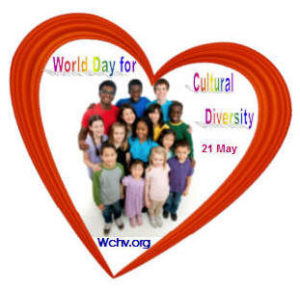 World Day for Cultural Diversity for Dialogue and Development is annually held on May 21 to help people learn about the importance of cultural diversity and harmony.
World Day for Cultural Diversity for Dialogue and Development is a chance for people to celebrate cultural diversity and harmony.©iStockphoto.com/skynesher
What Do People Do?
Various events are organized to increase the understanding of issues around cultural diversity and development among governments, non-governmental organizations and the public. Many of these include presentations on the progress of implementing the Universal Declaration on Cultural Diversity.
Events include:
- Seminars for professionals.
- Educational programs for children and young adolescents.
- The launch of collaborations between official agencies and ethnic groups.
- Exhibitions to help people understand the history of various cultural groups and the influence on their own identities.
- Celebrations to create greater awareness of cultural values and the need to preserve them.
The World Day for Cultural Diversity for Dialogue and Development tends to be marked in countries that embraced their varied cultural history and acknowledged the importance of embracing it.
Background
The General Conference of the United Nations Educational, Scientific and Cultural Organization (UNESCO) adopted the Universal Declaration on Cultural Diversity in Paris, France, on November 2, 2001. It was the 249th resolution adopted at the 57th session of the United Nations General Conference. Although the declaration was the culmination of years of work, it was adopted in the wake of the terrorist attacks on September 11, 2001. This reaffirmed the need for intercultural dialogue to prevent segregation and fundamentalism.
The year 2002 was the United Nations Year for Cultural Heritage. At the end of that year, on December 20, 2002, the General Assembly of the United Nations declared May 21 to be the World Day for Cultural Diversity for Dialogue and Development. The General Assembly emphasized links between the protection of cultural diversity and the importance of dialogue between civilizations in the modern world. The World Day for Cultural Diversity for Dialogue and Development was first observed in 2003.
End Plastic Pollution Earth Day 2018 Campaign
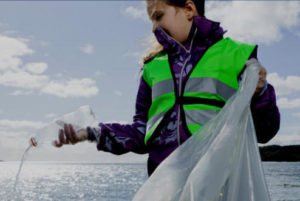 From poisoning and injuring marine life to disrupting human hormones, from littering our beaches and landscapes to clogging our waste streams and landfills, the exponential growth of plastics is now threatening the survival of our planet.
In response, Earth Day 2018 will focus on fundamentally changing human attitude and behavior about plastics and catalyzing a significant reduction in plastic pollution.
Our strategy to End Plastic Pollution will:
- Lead and support the adoption of a global framework to regulate plastic pollution
- Educate and mobilize citizens across the globe to demand action from governments and corporations to control and diminish plastic pollution
- Inform and activate citizens to take personal responsibility for the plastic pollution that each one of us generates by choosing to reject, reduce, reuse and recycle plastics
- Work with universities, school teachers and students to End Plastic Pollution
- Work with other organizations and networks and make Earth Day 2018 a platform to End Plastic Pollution by developing resources that others can use and build partnerships.
- Promote the work that cities and local governments are doing to tackle plastic pollution
- Empower journalists across the globe to report on the problem and its emerging solutions.
Earth Day Network will leverage the platform of Earth Day, April 22, 2018 and the growing excitement around the 50thAnniversary of Earth Day in 2020. We will work with key constituencies and influencers to build a world of educated consumers of all ages who understand the environmental, climate and health consequences of using plastics.
We will engage and activate our global network of NGO’s and grassroots organizations, campus youth, mayors and other local elected leaders, faith leaders, artists and athletes, and primary and secondary students and teachers.
We will organize events in all continents of the world, build a global following and activate citizens to join our End Plastic Pollution advocacy campaigns.
In sum, we will use the power of Earth Day to elevate the issue of plastic pollution in the global agenda and inspire and demand effective action to reduce and control it.
Sign the End Plastic Pollution Petition
Make a pledge to reduce your use of plastic
Send your ideas or propose a partnership to plastic@earthday.org