We believe that all cultural, historical and natural heritage, wherever they are should be preserved. LEARN MORE
Education

Lake Urmia

lake uimia-2

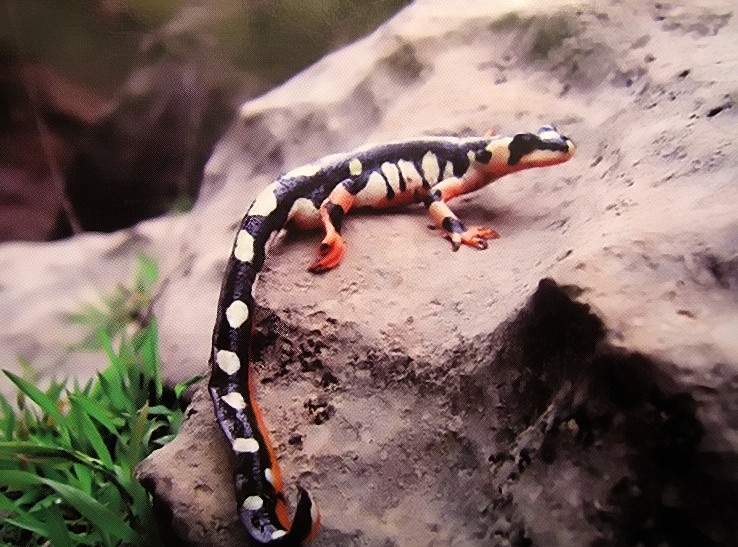
The most recent report (http://climatechange.ir/tags/Urmia.html) shows that Lake Urmia is still in major danger of further shrinkage and drying up like the Aral Sea.  Lake Urmia is a salt lake in Northwestern Iran which was recognized and declared an internationally significant Wetland by the Ramsar Convention in 1971 and designated a UNESCO Biosphere Reserve in 1976 (http://na.unep.net/geas/getUNEPPageWithArticleIDScript.php?article_id=79).  The lake is ecologically very significant as it is home to a unique shrimp species, Artemia urmiana, and (and along with surrounding areas) supports many species of reptiles, amphibians and mammals.

It is estimated that since 1995 (when the surface area was 6100 km2), the lake has considerably reduced in size and the satellite images (NASA satellite images) taken in August 2011 showed that the lake’s area had shrunken to about 2,366 km².  The report titled (and published online in Feb 2012) “The Drying of Iran’s Lake Urmia and its Environmental Consequences” by the United Nations Environment Programme (UNEP) website outlined several causes, and listed studies looking at impacts and consequences.


An on-going intentional negligence

An official report by the IRI Cultural Heritage News Agency clearly shows that there is an intentional policy not to pay any attention to the ancient sites belonging to the pre-Islamic era of Iranian history. It has been almost three decades since the Islamic Revolution of 1978 and such sites have been left to natural wear and tear and human-caused destruction mostly by religious zealots and un-scientific operations under the banner of “development”.
Every year, by the arrival of winter, Persepolis, the most important and worldly-known ancient sites of Iran, as well as other outstanding sites, suffer from more natural and human-caused destruction. The unprotected stone structures are exposed to rain and snow and many of them clearly show signs of fatigue and obliteration.
The report emphasizes that, against all the protests and advice of the experts, and after 33 years of Persepolis having been registered by UNESCO as a World Heritage Site, nothing has been done to stop the deterioration of the structure. The same situation applies to Pasargad, the capital of Cyrus the Great and where his mausoleum is situated. This site was recognized as a World Heritage site 8 years ago and it has been exactly during this time-frame that a dam has been erected and operational near the site, with its obvious consequences.
The two ancient sites used to be a center of attraction for tourists from all over the world before the Islamic revolution. But since then, all tourist facilities are removed and even those who go for a visit despite the harsh political treatments find no usable facility.


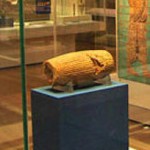
“Cylinder” of Cyrus the Great goes on exhibition on major US cities.

According to a report by British Museum, upon an agreement between Cultural centers and museums in the US, the “Cylinder” of Cyrus the Great will be available for viewing in exhibitions in Washington DC, Houston, New York City, San Francisco and LA.
This is the first time that Americans can see this important artifact on their soil, though a replica of the Cylinder is permanently on exhibit in UN building in New York City.

The name of the exhibition is “Cyrus Cylinder in ancient Pars” and it also includes sixteen other artifacts of historical importance. The exhibit is meant to show the contribution of Iranians during the reign of Achmenians in the Middle and Near East from 550 BC onwards.