
We believe that all cultural, historical and natural heritage, wherever they are should be preserved. LEARN MORE
Education

World Environment Day

khali.1World Environment Day is celebrated every year on JUNE 5 to raise global awareness to take positive environmental action to protect nature and the planet Earth. It is run by the United Nations Environment Program.I

It was established by the United Nations General Assembly in 1972 on the day that United Nations Conference on the Human Environment began.

Museum Day

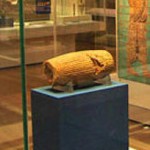
MuseumEvery year since 1977 International Museum Day is organized worldwide around May 18.

This day is an occasion to raise awareness on how important museums are in the development of society.

ICOM Advisory Committee organizes the theme of this event that, given the high number of countries involved, lasts a day, a weekend, a week or even a month.

From America to Oceania including Africa, Europe and Asia, this international event has confirmed its popularity. mozeh-meli-iran.htm-2

These recent years, International Museum Day has been experiencing its highest involvement with almost 30,000 museums that organized activities in more than 120 countries.

World Heritage Day

world-heritage-dayIn 1983 UNESCO established 18th of April as the International Day for Monuments and Sites. The designation of this day aims to raise public awareness about the diversity and vulnerability of the world’s built monuments and heritage sites and the efforts required to protect and conserve them. In addition, each year has a different theme. The 2016 theme for the International Council on Monuments and Sites (ICOMOS) International Day on Monuments and Sites celebrated is: The Heritage of Sport, looking ahead to the Olympics in Brazil, is The Heritage of Sport.
This day is also commonly known as World Heritage Day. However, whilst UNESCO is the organization that lists World Heritage Sites, this day is not just about the listed sites, but brings attention to all cultural heritage places and landscapes of international, national and local significance.
The World Heritage Day is also a good day to create educational and informative projects for students and educators. For example The UNESCO site gives details of success stories and successful restorations as well as world heritage sites in danger.
In addition, ICOMOS also gives a list of ways for the public to celebrate the day or the week:

  • Visits to monuments and sites, and restoration works, possibly with free admission
  • Articles in newspapers and magazines, as well as television and radio broadcasts
  • Hanging banners in town squares or principal traffic arteries calling attention to the day and the preservation of cultural heritage
  • Inviting local and foreign experts and personalities for conferences and interviews
    Organizing discussions in cultural-centers, city halls, and other public spaces
  • Exhibitions (photos, paintings, etc)
  • Publication of books, post-cards, stamps, posters
  • Awarding prizes to organizations or persons who have made an outstanding contribution to the conservation and promotion of cultural heritage or produced an excellent publication on the subject.
  • Inaugurate a recently restored monument
  • Special awareness raising activities amongst school children and youth
  • Promotion of collaborative opportunities between organizations, defining areas for co-operation’ exchange of speakers; organization of meetings and seminars, or editing of joint publications.

UNESCO Calls for United Action to Protect Vulnerable Sites, and Thanks NGOs

Director of the UNESCO World Heritage Centre, Mechtild Rössler, in a recent call, acknowledges the great efforts of those engaged for World Heritage protection, and calls for civil society as a whole to increase its commitment to protecting World Heritage sites, stating that World Heritage is humankind’s common heritage, and the responsibility for its conservation is shared by everyone.

In the call, UNESCO acknowledged the support of NGOs such as World Wide Fund for Nature (WWF) and referred to its latest report, stating that 2015 saw an unprecedented level of action from governments and the private sector around the world. “In January last year, the government of Kiribati declared its entire World Heritage site – the largest site on UNESCO’s World Heritage List – off limits for fisheries; in May Shell decided to renounce drilling in the Chukchi Sea which threatened Wrangel Island Reserve System in Russia; and in December the government of Belize announced a permanent ban on oil extraction in its World Heritage area.”

In addition, The Director of the World Heritage Center welcomes cooperation with NGOs, including WWF, on the protection of World Heritage sites worldwide as partners in the identification, nomination and protection of World Heritage properties. UNESCO also stated that, thanks to NGOs and civil society, many States Parties have been alerted to potential threats to their irreplaceable heritage and to sites of Outstanding Universal Value. The World Heritage Committee is taking increasingly strong action to prevent deterioration of World Heritage sites and mitigate threats to them.