 A collaboration between Google and an Oakland, California-based nonprofit called CyArk titled “The Open Heritage Project” is offering a new opportunity to anyone with a web connection or a virtual reality headset to visit and explore some of the world’s most celebrated heritage sites without leaving home. The researchers also believe that the project will also help preserve site records or even aid in reconstruction if they undergo future damage.
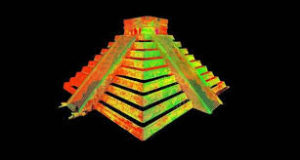
The Open Heritage Project has now published online their realistic 3D models of 26 heritage locations in 18 countries, including the 1,000-year-old Temple of Kukulcan in the Mayan city of Chichén Itzá in Mexico as well as parts of the Roman city of Pompeii, buried by an eruption of Mount Vesuvius in 79 A.D and the Native American cliff dwellings at Mesa Verde in southern Colorado.
The CyArk CEO John Ristevski explained in an interview published online by a number of news outlets that Google approached the non-profit organization about opening up their archives to a much broader audience, and that was what they had been wanting to do for a long time. In fact, the 26 locations are a fraction of more than 200 heritage sites that CyArk has documented around the world since 2003, using digital photography, aerial drones, and a 3D laser scanning technology known as LIDAR (for light detection and ranging). Detailed 3D models of the unique buildings and ancient artifacts, maps, and high-resolution 360-degree photographs from the 26 locations can be viewed directly on the Open Heritage website with just a web browser, thanks to a new VR interface developed by Google for the project. However if you have a VR headsets you can immerse yourself in a (3D) realistic wrap-around view.
The project’s list of the heritage sites range from ancient wonders, like Pompeii and Chichén Itzá, to relatively modern heritage sites like the Brandenburg Gate in Berlin, built in the 18th century. CyArk is now planning to add nine more locations, including the Washington Monument and the World War I battleground at Flanders Fields in Belgium, in the next few months with many more to be added to their list. CyARK recognizes that many of the locations in the Open Heritage project is hard to visit in person, because of their remoteness or because authorities limit access to them. One of the least accessible is Chavín de Huántar, a pre-Inca religious site in north-central Peru that is situated at an elevation of almost 4,000 meters [13,000 feet]. Reaching the site requires a 10-hour bus ride from Lima and as a result not too many tourists visit the site.
While the Open Heritage website makes it easier for people to experience heritage sites in virtual reality, CyArk got its start 15 years ago with a different goal and that was to make a permanent record of ancient locations that are under threat from natural events or desecration. CyArk’s founder, Ben Kacyra, who is an expatriate Iraqi engineer living in California, learned of the destruction of Afghanistan’s 1,500-year-old Bamiyan Buddhas in 2001, and decided that he wanted to create three-dimensional digital records of the world’s heritage sites in case they were damaged or destroyed. It is quite obvious that Kacyra’s foresight has now paid off and many people around the world can benefit from it by being able to see these beautiful heritage sites from thousands of miles away using the internet.
In addition, these records are helping researchers in reconstructing heritage sites which have been damaged. CyArk’s detailed digital records are now being used in reconstruction work at Bagan, and virtual reality versions of the Bagan temples can be seen on the Open Heritage website.