 The discovery of a terracotta theatrical mask offers compelling new evidence for the existence of a theatre in the ancient Greek city of Phanagoria.
Phanagoria was the largest ancient Greek city on the Taman peninsula, located along the eastern shore of the Cimmerian Bosporus.Founded by Teian colonists around 543 BC, the city served as a major trading hub between the Maeotian marshes and the countries on the southern side of the
Caucasus.
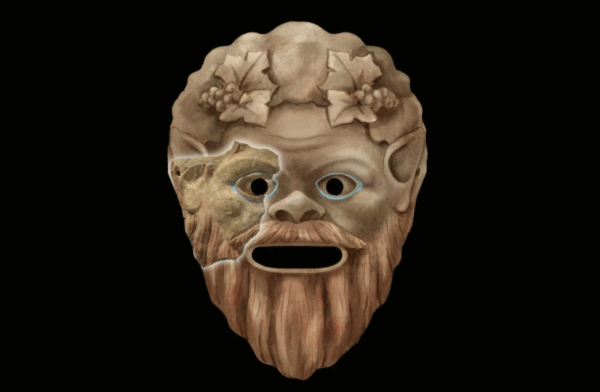
Recent excavations, supported by the Volnoe Delo Foundation, have uncovered a fragment of a theatrical mask, which, according to experts, provides tangible proof that a classical theatre once operated in Phanagoria.
Dating to the 2nd century BC, the fragment depicts a satyr – a creature from Greek mythology that has the upper body of a man and the legs, tail, and horns of a goat. Satyrs are also associated with Dionysus, the god of wine and revelry, and are known for their love of wine, music, dancing, and attempting to seduce women.