Nowruz


Iranian New Year Named: The Celebration of Mahasti Ganjavi
 Every year, on the advent of each Iranian New Year (which coincides with the beginning of spring), Pasargad Heritage Foundation (PHF) designates a name for the coming year that signifies a certain aspect of its mission. PHF is an organization established a decade ago outside Iran with the aim of preserving Iranian cultural heritage and has observed this name designation for the last 10 years. The main purpose is to emphasize on the priceless values of the ancient cultural heritage of Iran that are exposed to constant destruction due to intentional and accidental negligence of the relevant authorities in that country.
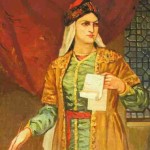
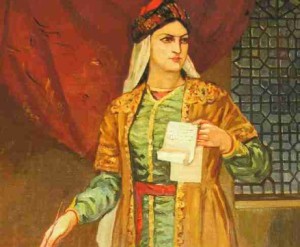
The coming New Year of the Iranian calendar has been named as the “Year of Mahasti Ganjavi”, to commemorate a Farsi-speaking courageous poetess of 900 years ago who thought and spoke about the very subject matters that are expressed today by great anti-discrimination women of our times.
She was born in Ganje, an Iranian city that now is located in Azerbaijan Republic, before the language of that area was turned into Turkish. Thus, she is now being introduced as an Azerbaijani poetess whereas all her poetry is in Farsi.
Unfortunately, all through history, religious zealots have banned the spread and publication of her poetry in as many ways as possible. And then, by the advent of the Islamic Republic in Iran, she has been officially been recognized as a non-Iranian poet and the Islamic government has not accepted even to co-apply, together with Azerbaijanis, for the registration of her name as a poetess of Farsi literature in the Intangible Heritage Index of UNESCO.
Proposed by Pasargad Heritage Foundation
International Day of Nowruz 2016
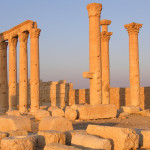
Persepolis at Sunset – Nowruz 2015
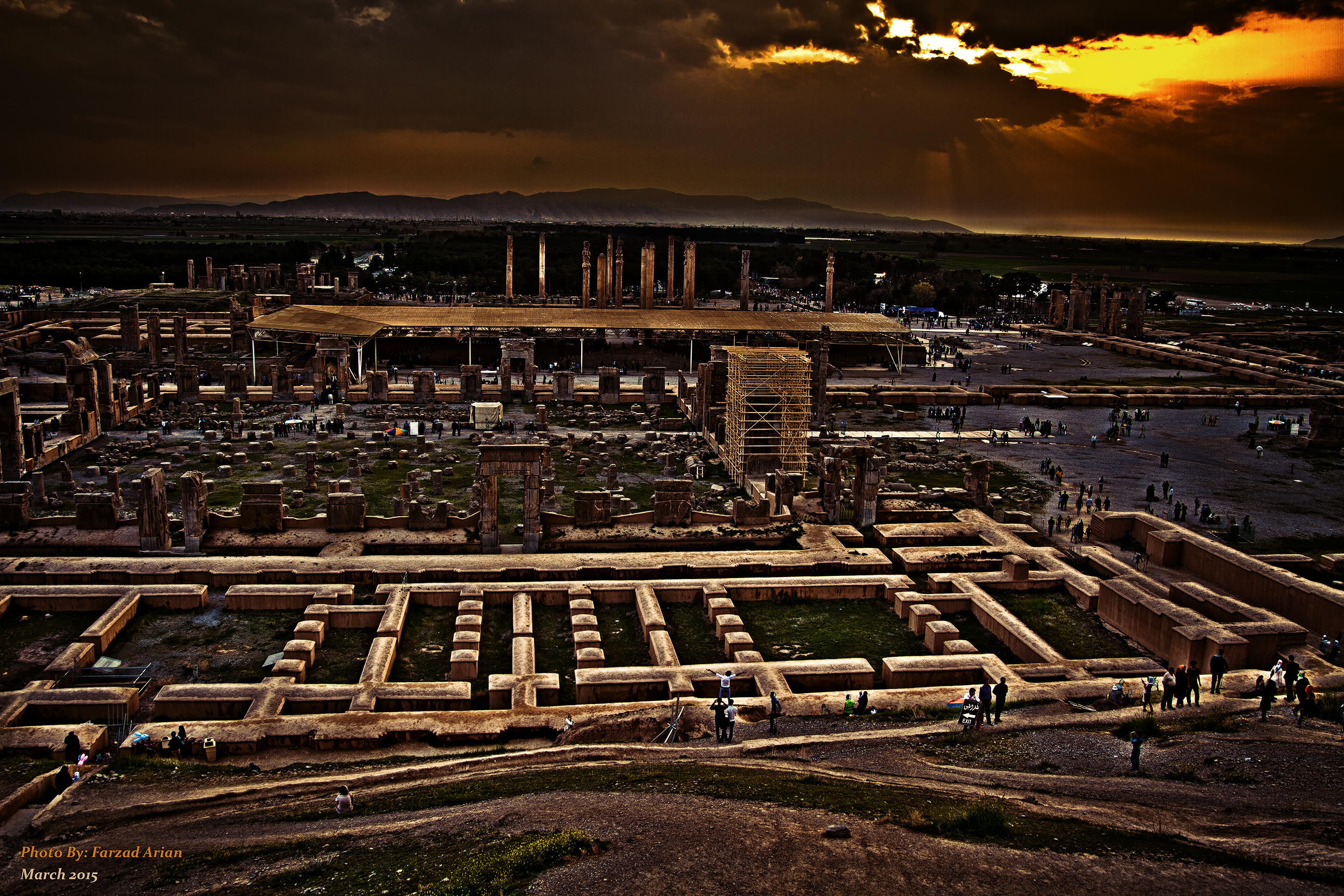
Photography by Iranian Artist Farzad Arian
Happy Nowruz
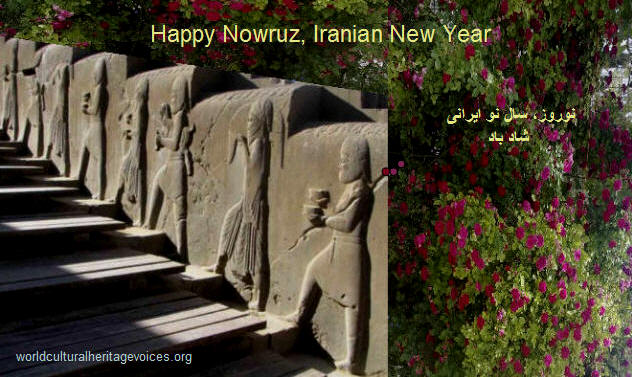
Nowruz
(Nowruz 1394 video link click here)
Nowruz is first day of Spring and the beginning of the Iranian year. Nowruz is celebrated on the day of the vernal equinox, on 21st March or the previous / following day depending on where it is celebrated. Nowruz is celebrated and observed by Iranian people as well as several other countries across Asia including Afghanistan, Turkey, Azerbaijan, Georgia, Tajikistan and many more. The new year starts at the moment the Sun crosses the celestial equator and equalizes night and day or exactly when the Earth has completed one cycle around the Sun.
The celebration has its roots in Ancient Iran. Due to its antiquity, there exist various foundation myths for Nowruz in Iranian mythology. The Shahnameh dates Nowruz as far back to the reign of Jamshid, who in Zoroastrian texts saved mankind from a killer winter that was destined to kill every living creature. In the Shahnameh and Iranian mythology, Jamshid is credited with the foundation of Nowruz. In the Shahnama, Jamshid constructed a throne studded with gems. He had demons raise him above the earth into the heavens; there he sat on his throne like the sun shining in the sky. The world’s creatures gathered in wonder about him and scattered jewels around him, and called this day the New Day or No/Now-Ruz. This was the first day of the month of Farvardin (the first month of the Persian calendar). On Nowruz, families gather together to observe the rituals and celebrate the beginning of the new year.
In addition, it is believed that originally the celebration was the holiest Zoroastrian festival, and Nowruz is believed to have been invented by Zoroaster himself, although there is no clear date of origin. Since the Achaemenid era, the official year has begun with the New Day when the Sun leaves the zodiac of Pisces and enters the zodiacal sign of Aries, signifying the Spring Equinox.
International Nowruz Day was proclaimed by the United Nations General Assembly, in its resolution A/RES/64/253 of 2010, at the initiative of several countries that share this holiday (Afghanistan, Albania, Azerbaijan, the Former Yugoslav Republic of Macedonia, India, Iran (Islamic Republic of), Kazakhstan, Kyrgyzstan, Tajikistan, Turkey and Turkmenistan.
World Cultural Heritage Voices
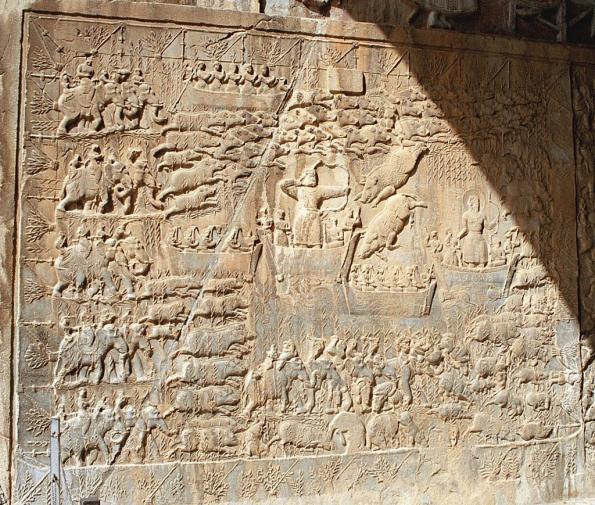
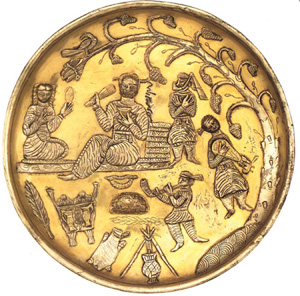
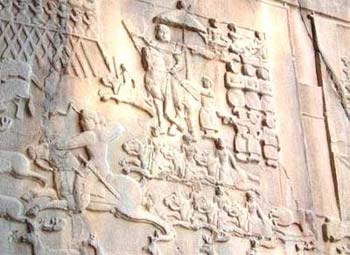
Ancient Nowruz artifacts from the Sassanian Dynasty – 224 CE to 651 CE.
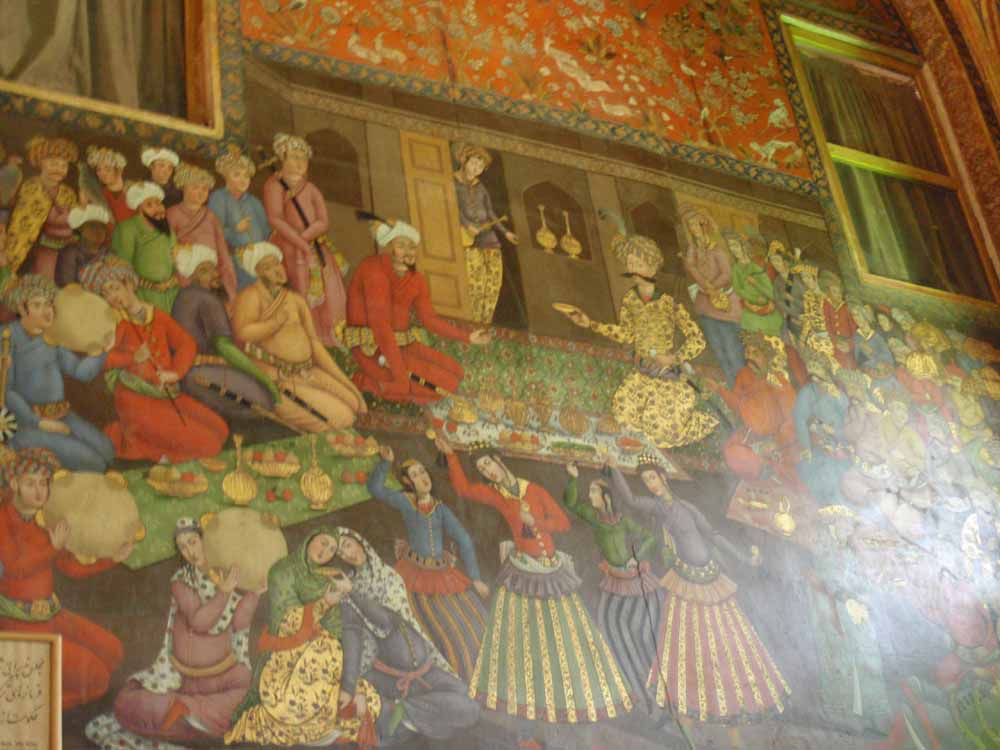
Nowruz during the Safavid Dynasty circa 1501 to 1722 and 1729 to 1736.