The meaning of the name Europe according to Indo-Iranian and Greek sources:
The name Europe in Sanskrit and Greek means the place of the chariot and the place of the good torque holder (eu-rope, chariot). The name of that place is also hidden in the Avesta names Khonireth (the place of the glorious chariots) and Takhmorope (Arpoxais of the Scythians, Tahmorath, the hero of the chariot land):
आरोप्य indecl. Aropya having made to mount [horse, chariot, bus, etc]
सु –prefix su- (hau, eu) good.
आरोप m. Aropa (arbά, Ροπή) rhetorical figure super-imposition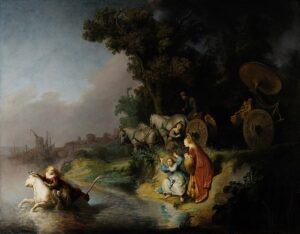
The name Europe in the combination of eury-ope, which means having a widespread forehead, is considered the name of a Phoenician queen.The name Phoenicia, which is considered the home of the goddess Europe (Iphigenia), was based on Phonicia, which means the land of sacrifice human. But this name in the combination of Europe means good torque (good chariot) which is consistent with the Persian word for chariot arava (A-raova in Avesta means very easy to drive) and it seems to be a name for the region of old towers and the whole of Ukraine (Ruthen, Ukrainian) whose names mean spinning and rotating (wheel and chariot). In the Scythian mythology, the golden ax is the symbol of the Taurs of the Ruthenians.
The name Phoenicia, which is considered the home of the goddess Europe (Iphigenia), was based on Phonicia, which means the land of sacrifice human, which is a synonym of the Avestans meaning Tauru (tabar) which means harming, which is also the root of the name Taur (axe), which in Scythian mythology is related to Along with the yoke and the shackle and cup, it is considered the heavenly golden tools of the Scythians. As Herodotus writes about the violence among the Taurians: “The customs of the Taurians are as follows: they worship a goddess who, according to them, has not been touched, and they consider her to be Iphigenia (the strong woman of the waters), the daughter of Agamemnon, and every Greek who is in the sea capture him, or if his ship breaks and he himself falls ashore, they make a sacrifice for this type of slave, in this way, they beat him on the head with a stick. And then they cut off his head from the body and threw his body down from the mountain, and hit his head on the tip of a wooden nail. Any enemy that falls into their hands, they chop his head into small pieces, then each of them takes a piece to his house, installs it in the chimney of the heater of his house and believes that this piece protects the house in the air. Tauors live by looting and war. “
But Taur in the Scythian language, which is closely related to Sanskrit, also means speeder (wheel and cart), which is a synonym of Ruthen and the main name of Ukraine:
त्वरा f. tvarA hurry
त्वरा f. tvarA speed
Based on this, the Avestans name of the land of the European Scythians, Turan, means land of wheels and chariots. Even considering the Avestan word Saka (flowing, sak- in Azeri), the name Sakaiye means the land of wheels and chariots. Previously, they took the Persian word saka (saka), derived from the ancient root sak*, which means “to go, go around”. On the other hand, the Parthians of Scythian descent called the Iranian Plateau, meaning the name of their former homeland (Toran, Europe), Khonirath (Land of Shining Chariots), which is recorded in the Avesta.
The meaning of the name of the Tauri goddess Iphigenia (powerful goddess of waters) is the same as that of Ardvisvar Anahita (powerful and pure goddess of rising waters) and orope (oro-ape, in Avestan [goddess] of vast waters). According to Greek mythology, Europa was kidnapped from the sea with a bull (Tor):
अप्य adj. apya coming from water, जनी f. jani woman
“Iphigenia” means “strong-born,” (strong-woman)
The Indo-European origin of the name Ruthen (the land of the wheel, Ukraine)
The names of Ukraine and Ruthen were originally synonymous with the name Tauria, which means the land of wheels and carriage:
Main Scythian origin of the name Ukraine:
वाहिक m. vAhika (uika) car or vehicle drawn by oxen
लयन n. layana (rayana) place of rest
rayon: area
The name of Ukraine (Uikrainia) was later summarized in Slavic languages and thus it was taken to mean the side land. Because it was called Out Gord (outer garden) by the Vikings. In front of Asegord (Garden of the Gods, Russia), which was the settlement of the Swedish Vikings themselves.
The root of the name Ruthen:
rotary (adj.)
1731, from Medieval Latin rotarius “pertaining to wheels,” from Latin rota “a wheel, a potter’s wheel; wheel for torture,” from PIE root *ret- “to run, to turn, to roll” (source also of Sanskrit rathah “car, chariot;” Avestan ratho; Lithuanian ratas “wheel,” ritu “I roll;” Old Irish roth, Welsh rhod “carriage wheel”). The root also forms the common West Germanic word for “wheel” (originally “spoked wheel”): Old High German rad, German Rad, Dutch rad, Old Frisian reth, Old Saxon rath.
Therefore according the Scythian myth, Scythian king Arpoxais (the king of the land of chariots), whose name come in Avesta in from Takhmorope (the warrior of the land of chariots, Tahmorath) and who rules over the people of Thraspioi (pine fruit eaters, horse breeder, Russian) and Katyarioi (sword people, Hungarian), is meant Herodotus. Among other Scythian myth, gave his name as Gelon (the wheel), which corresponds to the name of the city of Kiev (the capital):
काय m. kAya capital, king
Slavic possessive suffix -ev (meaning belonging to)
The names of his younger brother, Kolaxais (King of the Tribes) and Skyth (Skolav, Slav, Cup) are mentioned and he is considered the king of all the Scythians.
The names of the older brother were Lipoxais (the king of the tattooed people) and Agathyrsi (who had a tattoo tradition), and they were on the side of Moldavia and Romania, and his subjugated people were Aukates (those who have nice houses = Bohmians) and his golden tools were golden yoke (pole, symbol of Poles) and rope (symbol of Thracians).
लेप m. lepa spot
लिप m. lipa smearing, khshais: king
अङ्क m. aGka spot तृषा f. tRSA strong desire
Budin and Gelon are the names of Russians and Ukrainians in Herodotus’ story
Correspondence of the city of Kiev with Caesarea of Ptolemaic maps with ancient Gelon:
The name of the city of Kiev, the capital of Ukraine, which has been attributed to a mythical kingdom called Kay, corresponds to the Caesarea in Ptolemaic maps, which means the place of the ruler. On this basis, the name of the city of Kiev is remembered from the word kavi-veh (attributed to the king) in the language of the Scythians and the ancient Iranians and Sarmatians, and it was their seat of government. In the northwest, the name of the city is seen as Ophlones (Sanskrit, stone city), which can be compared to the current Korosten (Swedish, stone fortress):
उपल m. upala stone
The Caesarea itself of the Ptolemaic maps (the capital, Kiev) seems to be the mythical city of Arpoxais (the king of the land of the wheel) rather than the ancient city of Gelon (the city of the round tool, the wheel). The wooden city that Darius set on fire in the land of the Bodins looks similar to the city of Gelon (Kiev):
ग्लौ f. glau (gola) globe, round
from PIE *kw(e)-kwl-o- “wheel, circle,” suffixed, reduplicated form of root *kwel-
The name of the ancient forest dweller Bodins/Traspians, (pine fruit eaters), corresponds to the Russians (people of the forests) on this side:
भूय n. bhUya (bo) being
दव m. dava[n] forest
त्रस n. trasa wood, pi: to nourish
اروپا نام باستانی اوکراین بوده است
معنی نام اروپا بنا به منابع هندوایرانی و یونانی:
نام اروپا به لغت سنسکریت و یونانی به معنی محل ارابه و محل دارندهٔ گشتاور خوب (ایو–روپه، ارابه) است. نام آنجا در نامهای اوستایی خونیرث (محل ارابه های با شکوه) و تخموروپه (آرپوکسائیس سکاها، تهمورث، پهلوان سرزمین ارابه) نیز مستتر است:
आरोप्य indecl. Aropya having made to mount [horse, chariot, bus, etc]
सु– prefix su- (hau, eu) good.
आरोप m. Aropa (arbά, Ροπή) rhetorical figure super-imposition
نام اروپا را در ترکیب eury-ope به معنی دارای پیشانی بلند نام ملکه ای فینیقی شمرده اند. ولی این نام در ترکیب eu- rope به معنی گشتاور نیک (ارابۀ خوب) است که با واژۀ ارابۀ فارسی (آ–رَئوه اوستایی یعنی بسیار آسان رانده شونده) همخوانی دارد و به نظر می رسد نامی بر منطقۀ تاورهای کهن و کُل اوکراین (روتِن های اوکراین) بوده است که نامهایش معنی گردنده و چرخنده (چرخ و ارابه) را می دهند. در اساطیر سکایی تبر زرین سمبل تاورهای تبعۀ روتن ها آمده است.
نام فینیقیه که موطن الهه اوروپا (ایفی ژنی) به شمار آمده در اساس فونیکیه بوده است به معنی سرزمین قربانی کردن که مترادف معنی اوستایی تَئوروَ (تائور) به معنی آسیب رساندن است که ریشهٔ نام تَوَر (تبر) هم است که در اساطیر سکایی به همراه گاو آهن و قید و پیاله، ابزار زرین آسمانی سکاها به شمار رفته است. چون هرودوت در مورد خشونت در نزد تائورها می نویسد: «عادات تائورها چنین است: ربّة النوعی را می پرستند که به عقیدهٔ آنها لمس نشده است و او را ایفی ژنی (زن نیرومند آبها) دختر آگاممنون می دانند و هر یونانی را که در دریا اسیر کنند، یا کشتی او بشکند و خود او به ساحل افتد، برای این ربّة النوع قربانی می کنند، بدین ترتیب، که چماقی سر او می کوبند. و بعد سر او را از بدن جدا کرده و جسدش را از کوه به زیر افکنده، سرش به نوک میخ چوبین می زنند. هر دشمن که به چنگ آنها بیفتد، سرش را ریز ریز می کنند، بعد هر یک از آنها قطعه ای را به خانهٔ خود برده، به دودکش بخاری خانه اش نصب می کند و عقیده دارد که این قطعه در هوا خانه را محفوظ می دارد. گذران تائورها از غارت و جنگ است. «
ولی تائور در زبان سکاها که با زبان سنسکریت قرابت نزدیک داشته معنی شتابنده (چرخ و گاری) نیز می داده است که این هیئت مترادف نام روتِن و هیئت اصلی نام اوکراین است:
त्वरा f. tvarA hurry
त्वरा f. tvarA speed
بر این اساس نام اوستایی سرزمین سکاهای اروپایی یعنی توران به معنی سرزمین چرخ و ارابه بوده است. حتی نظر به واژهٔ اوستایی سَچ (روان شدن، سَک– در آذری) نام سکائیه نیز معنی سرزمین چرخ و ارابه را می داده است. قبلاً هم واژهٔ فارسی سکا (saka) را، مشتق از ریشه باستانی sak*، به معنی «رفتن، گشتن، گردیدن» گرفته اند. از سوی دیگر پارتهای سکایی تبار فلات ایران را به معنی نام موطن سابق خود (توران، اروپا) خونیرث (سرزمین ارابه های درخشان) نامیده اند که در اوستا ثبت شده است.
نظر به معنی نام الههٔ تائوری ایفی ژن (الههٔ نیرومند آبها) او با اردویسور اناهیتَ (الههٔ نیرومند و پاک آبهای بالنده) و اوروپه (اورو–آپه، در معنی اوستایی [الههٔ] آبهای گسترده) یکی است. مطابق اساطیر یونانی اوروپه از راه دریا با مرکب گاونر سواریش (تور) ربوده شد:
अप्य adj. apya coming from water
जनी f. jani woman
“Iphigenia” means “strong-born,” (strong-woman)
ریشهٔ هندواروپایی نام روتِن (سرزمین چرخ، اوکراین)
نامهای اوکراین و روتن در اصل مترادف نام تائوریه به معنی سرزمین چرخ و گاری بوده اند:
ریشهٔ سکایی اصلی اوکراین:
वाहिक m. vAhika (uika) car or vehicle drawn by oxen
लयन n. layana (rayana) place of rest
rayon: area
نام اوکراین (اویکراین) بعداً در زبانهای اسلاوی تلخیص یافته و بدین صورت در آمده و به معنی سرزمین کناری گرفته شده است. چون آنجا در نزد وایکینگها اوت گورد (باغ بیرونی) خوانده شده است. در مقابل آسه گورد (باغ خدایان، روسیه) که محل استقرار خود وایکینگهای سوئدی بوده است.
ریشهٔ اصلی نام روتِن:
rotary (adj.)
1731, from Medieval Latin rotarius “pertaining to wheels,” from Latin rota “a wheel, a potter’s wheel; wheel for torture,” from PIE root *ret- “to run, to turn, to roll” (source also of Sanskrit rathah “car, chariot;” Avestan ratho; Lithuanian ratas “wheel,” ritu “I roll;” Old Irish roth, Welsh rhod “carriage wheel”). The root also forms the common West Germanic word for “wheel” (originally “spoked wheel”): Old High German rad, German Rad, Dutch rad, Old Frisian reth, Old Saxon rath.
بنابراین از آرپوکسائیس (پادشاه سرزمین ارابه) اساطیری سکاها که نامش در اوستا تخموروپه (پهلوان سرزمین ارابه، تهمورث) آمده و بر مردم تراسپی (اسب پرور، روس) و کاتیار (شمشیرزن، مجار) فرمان می رانده است، پادشاه مردم سکایی اوکراین منظور بوده است که هرودوت ضمن اسطورهٔ سکایی دیگر نام وی را گلْن (دارای دژ مدور) آورده که با خود نام شهر کیف (پایتخت) مطابق میگردد:
काय m. kAya capital, king
Slavic possessive suffix -ev (meaning belonging to)
نامهای برادر کوچک وی، کولاکسائیس (پادشاه قبایل) و اسکیث (اسکولاو، جام) آمده و پادشاه تمامی سکاها به شمار رفته است.
نامهای برادر بزرگتر، لیپوکسائیس (پادشاه مردم خالکوبی شده) و آگاتیرسی (که سنت خالکوبی داشته اند) بوده و در سمت ملداوی و رومانی بوده اند و مردم تحت فرمان او ائوکاتها (کسانی که خانه های خوب دارند= بوهمیان) و ابزار طلایی او یوغ طلایی (نماد لهستانی ها) و طناب (نماد تراکیائیها) بوده اند:
लेप m. lepa spot
लिप m. lipa smearing
khshais: king
अङ्क m. aGka spot
तृषा f. tRSA strong desire
بودین و گلون نام روسها و اوکرائینیها در خبر هرودوت
مطابقت شهر کیِف با سزاریای نقشه های بطلمیوسی و گِلون باستانی:
نام شهر کیِف پایتخت اوکراین که آن را به پادشاهی اساطیری به نام کِی منتسب کرده اند، با سزاریای نقشه های بطلمیوسی به معنی محل فرمانروا مطابقت می نماید. بر این پایه نام شهر کیف از کلمۀ کَوی–وه (منسوب به شاه) در زبان سکاها و سرمتهای ایرانی باستانی ایرانی زبان به یادگار مانده است و آنجا مقر حکومتی ایشان بوده است. در شمال غربی آن نام شهری به صورت Ophlones (به سنسکریت یعنی شهر سنگی) دیده میشود که قابل تطبیق با Korosten حالیه (به سوئدی یعنی دژ سنگی) است:
उपल m. upala stone
به نظر می رسد خود سزاریای نقشه های بطلمیوسی (پایتخت، کیف) به جای شهر گِلون باستانی (شهر ابزار گرد، چرخ) شهر آرپوکسائیس اساطیری (شاه سرزمین چرخ) است. شهر چوبی که داریوش در سرزمین بودینها آتش زده است مطابق همین شهر گلون (کیف) به نظر می آید:
ग्लौ f. glau (gola) globe, round
from PIE *kw(e)-kwl-o- “wheel, circle,” suffixed, reduplicated form of root *kwel-
نام بودینها/تراسپیان جنگلی باستانی، خورندگان میوهٔ کاج این سمت با روسها (مردم بیشه ها) مطابقت می کند:
भूय n. bhUya (bo) being
दव m. dava[n] forest
त्रस n. trasa wood
pi: to nourish