By Dr. Kaveh Farrokh
In a report provided by UNESCO on Jul, 2, 2018, eight Sassanian archaeological sites have been officially identified as heritage sites. These are located in three geographical regions in Iran’s Fars Province: Firuzabad, Bishapur and Sarvestan.
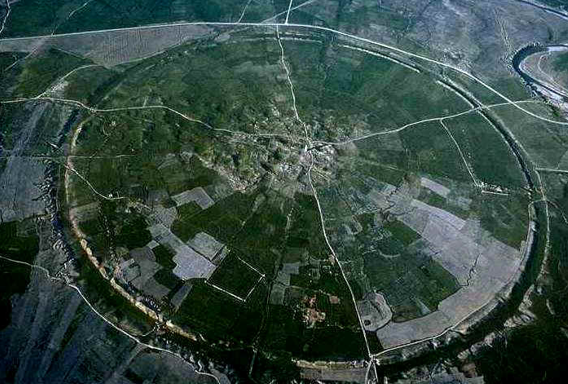
Aerial view of Ardashir’s Firuzabad palace. Note circular pattern for defense and town planning (Picture source: Historical Iran Blog).
These UNESCO sites are Sassanian fortified structures, palaces, as well as city plans. These are chronologically dated from the early to late Sassanian eras (224-651 CE).
These sites include the original capital of Ardashir Papakan (founder of the Sassanian dynasty), as well as the city and architectural structures of his son and successor, Shapur I.
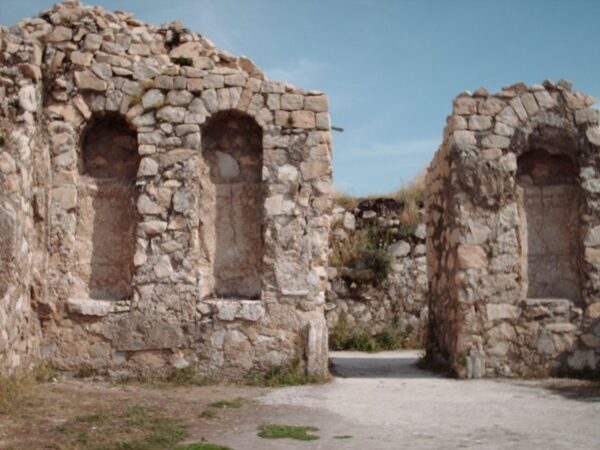
Structures at the site of Shapur I’s palace at Bishapur (Photo: Pentocelo in situ [Bishapur, Iran] April, 2006).
As averred further by UNESCO:
The archaeologic landscape reflects the optimized utilization of natural topography and bears witness to the influence of Achaemenid and Parthian cultural traditions and of Roman art, which had a significant impact on the architecture and artistic styles of the Islamic era.
Related posts:
- A Forgotten Gem of Sassanian Architecture: Iwan-e Karkheh
- UNESCO celebrates 1,750th anniversary of Iran’s Gundi-Shapur University
- Documentary Film Production: the UNESCO Sassanian Fortress in Darband
- Archaeological Survey of the Parthian-Sassanian Oltan Fortress
- An Overview of the Sassanian site of Nagshe Rajab
- UNESCO: Citadel, Ancient City and Fortress Buildings of Derbent
- The Ancient Sassanian City of Bishapur
- Shahr-e Belqeys in the late Sassanian and Early Islamic eras
- UNESCO: Takht-e Soleiman
-